Esther and the Others
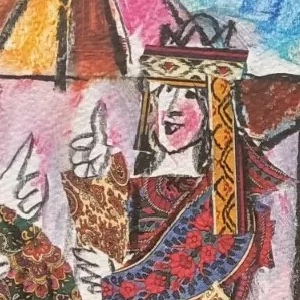
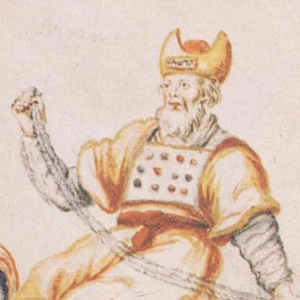
Since Late Antiquity, Esther and the events of the story of Purin were the source of iconography and story-telling materials although the earliest illustrated megillot only appeared in the 16th century. In the Middle Ages it became a popular theme in visual arts and not just among Jews, corroborating the hypothesis of contact in the visual arts of the time and of mutual influence. Esther became an increasingly important figure during the Renaissance especially in Italy and the Flanders: her ideal qualities as a spouse and perfect wife were lauded. Esther’s qualities of piety and heroism are highlighted in the Biblical narration as she was considered the heroine fighting for the freedom of her people, a harbinger of Mary, mother of Jesus.
What is the significance of the story of Esther in art and literature? Discover it here!
Marina Caffiero
Olga Melasecchi
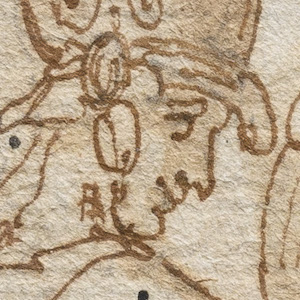
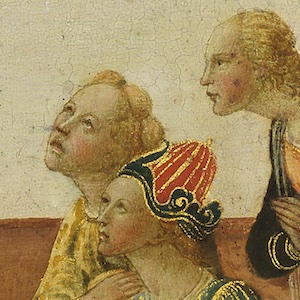
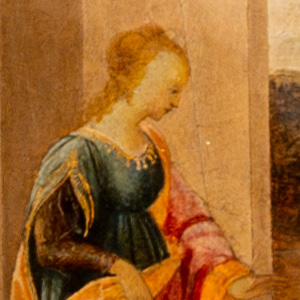
The depiction of Esther and Vashti on wooden marriage chests, a common wedding gift, is also of the time. In fact, the former is the model for the newly wed wives, very beautiful yet humble, virtuous, courageous and loyal; she is juxtaposed to the latter, beautiful but vain and evil, to remember the consequences of disobeying a husband. The pictorial cycles of these pieces of furniture have been removed and conserved as single tables, like the works by Jacopo del Sellaio and Filippino Lippi displayed in the exhibit.