At Purim the Book of Esther is read from a scroll, known as the megillah. The text must be handwritten and copied on parchment without any corrections nor erasures. The sheets are sewn together and held by a wooden roller or placed in a case. The name of the Lord is never mentioned although in some instances reference and invocation of the Everlasting are all too obvious. Some scribes distributed the text in the columns so that the first word on every paged was Ha-Melech, the King, to reveal the presence of the Lord, despite the reference to a king in the story is to Ahasuerus. This is how a firm hand of the Lord is placed on events and providential salvation.
Berachot (Blessings)
According to an ancient Italian tradition the blessings and hymns that introduce and follow the reading of the megillah are on a single parchment, possibly to follow the rule that the scroll should only contain the Book of Esther.
The hymn Qoree Megillah that is chanted at the end of the reading of the Book of Esther: it was written by Rabbi Avraham ibn Ezra who lived in Spain between the 11th and the 12th centuries and spent time in Rome. The hymn tells the story of the attempt to destroy the Jewish people in Queen Esther’s time and of how the Everlasting’s intervention protected then as on the course of time, until final redemption.
Megillah Decorations
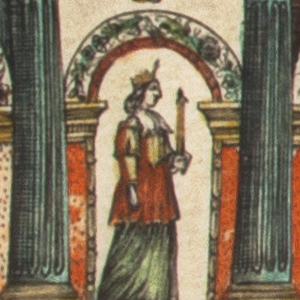
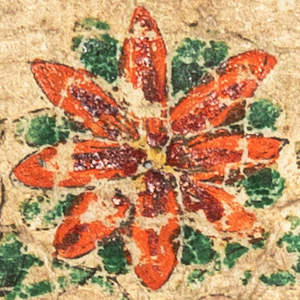
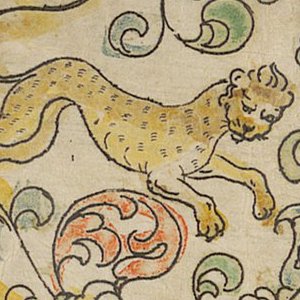
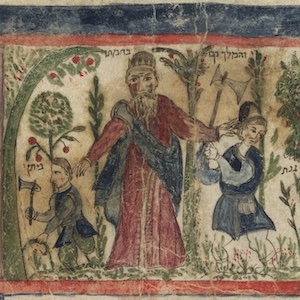
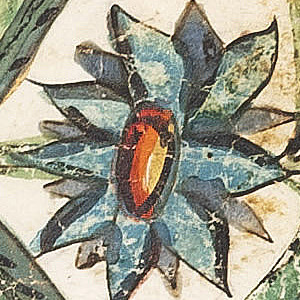
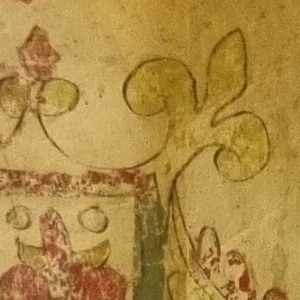
The earliest decorated Esther scrolls that have come down to us date back to the 16th century. The decision to decorate megillot probably flows from the mainstream culture of the time when great biblical heroines, including Esther, played a central role. As the exhibits show, decorations, friezes or columns often framed text to mark passages, as is the case with the Sacerdoti Megillah. In other instances, illustrations in the margins depicting scenes from the story as in the Megillah Pescarolo. In most cases the artists were Jewish although orders could come from outside the community, as in the case of the scrolls with engraved margins with printed decorations on the parchment that were subsequently filled in with the text and coloured, as is the case of the Bergamo Megillah.
Want to learn more? Watch the recording of the meeting in English, “Scrolling the History,” on our YouTube channel, Scrolling the History. A journey from New York to Jerusalem, via Ferrara.